


Introduction
Planning a holiday is exciting, but deciding who will look after your dog while you are away can be surprisingly difficult. The choice often comes down to Dog Boarding vs In-Home Pet Sitting in Dubai, and both options can be safe when the provider is carefully selected.
Dog boarding gives your pet a dedicated facility, structured routines and, in many cases, access to trained staff throughout the day. In-home pet sitting, meanwhile, allows your dog to remain in familiar surroundings while a trusted sitter handles feeding, walks, medication and companionship.
So, which is safer?
There is no universal answer. The safest option depends on your dog’s temperament, health, age, daily routine and ability to cope with unfamiliar surroundings. Veterinary and pet-care guidance similarly recommends matching the care arrangement to the individual dog’s needs rather than automatically choosing one option for every pet.
For Dubai pet owners, the decision also deserves extra thought because summer heat, travel schedules and the quality of available pet-care facilities can all affect your dog’s experience.
Dog Boarding vs In-Home Pet Sitting in Dubai: What Is the Difference?
The biggest difference is where your dog spends the holiday and how care is delivered.

With dog boarding, your pet stays at a professional boarding facility. Depending on the service, dogs may have individual sleeping areas, supervised play, scheduled walks, meals, enrichment and staff monitoring. Some facilities may also have veterinary support or established procedures for emergencies.
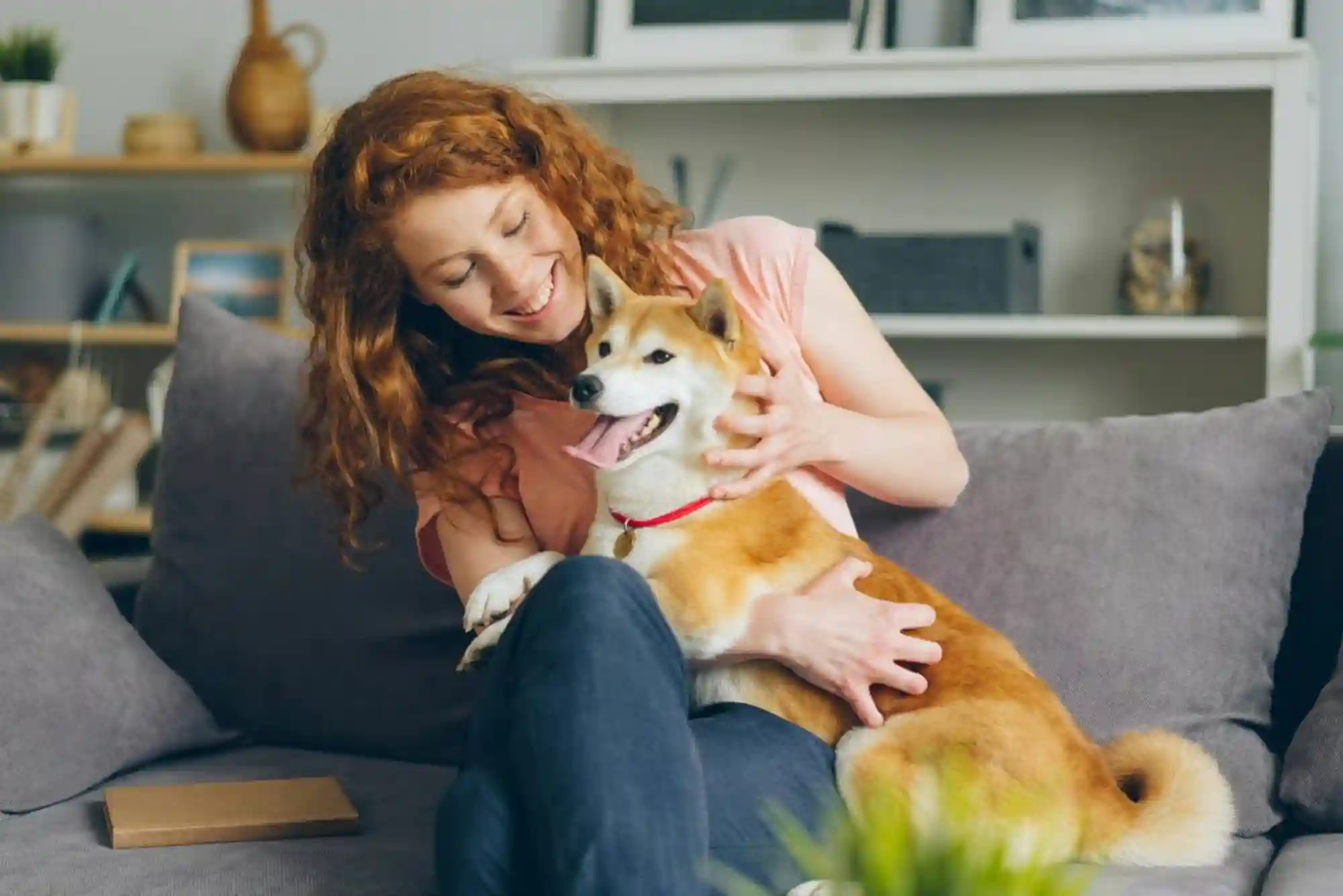
With in-home pet sitting, your dog stays in their own home while a sitter visits regularly or stays overnight. This approach can preserve familiar feeding times, sleeping arrangements, walking routes, toys and household routines.
The distinction is important because a change of environment can be exciting for a confident, social dog but stressful for a nervous or highly sensitive one. Professional guidance notes that dogs who are anxious, reactive or uncomfortable in unfamiliar environments may benefit from staying at home, while well-socialised dogs that enjoy new experiences can be better candidates for boarding.
Why Dog Boarding Can Be a Safe Holiday Option in Dubai
A reputable boarding facility can provide something that ordinary home care cannot always guarantee: structured supervision.
Your dog is not simply being left alone for long periods. Meals, exercise, toilet breaks and rest can follow a planned schedule. Staff can also observe changes in appetite, behaviour or energy and respond if something seems unusual.
Professional supervision can reduce holiday risks
When travelling, owners sometimes rely on neighbours or friends who may have limited experience with dogs. A professional boarding provider should have established procedures for feeding, cleaning, handling dogs and responding to emergencies.
That structure can be particularly useful if you have a sociable dog that enjoys activity and interaction.
Boarding may suit confident and social dogs
Some dogs adapt quickly to new places. They enjoy meeting people, exploring new environments and playing with suitable dogs.
For these pets, boarding can provide mental stimulation instead of spending most of the day waiting at home for someone to arrive. However, social interaction should never mean uncontrolled mixing. Responsible facilities should assess temperament and manage interactions appropriately.
Facilities can provide consistent daily routines
A quality boarding environment should have a predictable schedule. Dogs generally benefit from knowing when they will eat, walk, play and rest.
That consistency can make a boarding stay easier, particularly when the facility introduces the dog gradually before a longer holiday.
Why In-Home Pet Sitting Can Be Safer for Some Dogs
For many dogs, the greatest advantage of in-home pet sitting is simple: nothing about their environment has to change.
They sleep in their own bed, eat from their usual bowl and remain surrounded by familiar smells and sounds.
Familiar surroundings can reduce stress
Dogs that are nervous, elderly or sensitive to change may find a boarding facility overwhelming. New people, unfamiliar smells, barking dogs and different sleeping arrangements can create additional stress.
In-home care removes many of these variables.
A trusted sitter can maintain the dog’s normal schedule while providing companionship, exercise and basic care. This is one reason in-home sitting is often recommended for dogs that struggle with unfamiliar environments or separation-related problems.
It can be better for dogs with special routines
Some dogs need meals at precise times, daily medication or specific walking arrangements.
A good in-home sitter can follow written instructions closely and communicate with the owner if anything changes. This can be especially useful for senior dogs or pets with established routines.
However, owners should not assume that every sitter is qualified to provide medical care. If your dog needs complicated treatment, confirm the sitter’s experience and establish a veterinary emergency plan before travelling.
Your dog avoids unnecessary exposure to other dogs
Boarding can involve contact with multiple animals. Even when facilities follow good hygiene and vaccination policies, shared environments naturally create different health-management considerations.
Keeping your dog at home can reduce exposure to unfamiliar animals and environments. This does not make home sitting automatically risk-free, however. The sitter still needs to maintain hygiene, supervise outdoor walks and know what to do if your dog becomes unwell.
Which Is Safer for an Anxious Dog?
For an anxious dog, in-home pet sitting is often the more comfortable choice.
An anxious dog may already find your absence difficult. Moving them into an unfamiliar facility at the same time can add another source of stress.
A sitter who stays in your home can preserve familiar surroundings while providing companionship. This can be particularly valuable for dogs that become distressed around unfamiliar people, excessive noise or groups of dogs.
That said, not every dog with anxiety should automatically stay home. Severe separation problems may require professional behavioural or veterinary guidance rather than simply changing the holiday-care arrangement.
The key is to judge your individual dog’s behaviour rather than relying on a generic rule.
Which Is Safer for a Social, Active Dog?
A confident, well-socialised dog may enjoy boarding.
If your dog already attends daycare, happily meets unfamiliar people and adapts well to new environments, a carefully selected boarding facility may be an excellent holiday solution.
The important word is carefully selected.
Before booking, visit the facility. Look at where dogs sleep, how exercise is managed and whether staff understand canine body language. Ask how dogs are separated when necessary and what happens if one becomes frightened, aggressive or unwell.
A facility that looks attractive online is not necessarily the safest choice in person.
How to Choose a Safe Dog Boarding Facility in Dubai
Safety begins before your holiday starts.
Look for a provider that is transparent about its daily routines, vaccination requirements, emergency procedures and supervision arrangements. You should be comfortable asking detailed questions about your dog’s care.
Visit before making a booking
Whenever possible, arrange a tour before committing to a long stay.
Pay attention to cleanliness, ventilation, noise levels, sleeping areas and the overall behaviour of the animals. Staff should be able to explain what a typical day looks like rather than giving vague answers.
Ask about emergencies
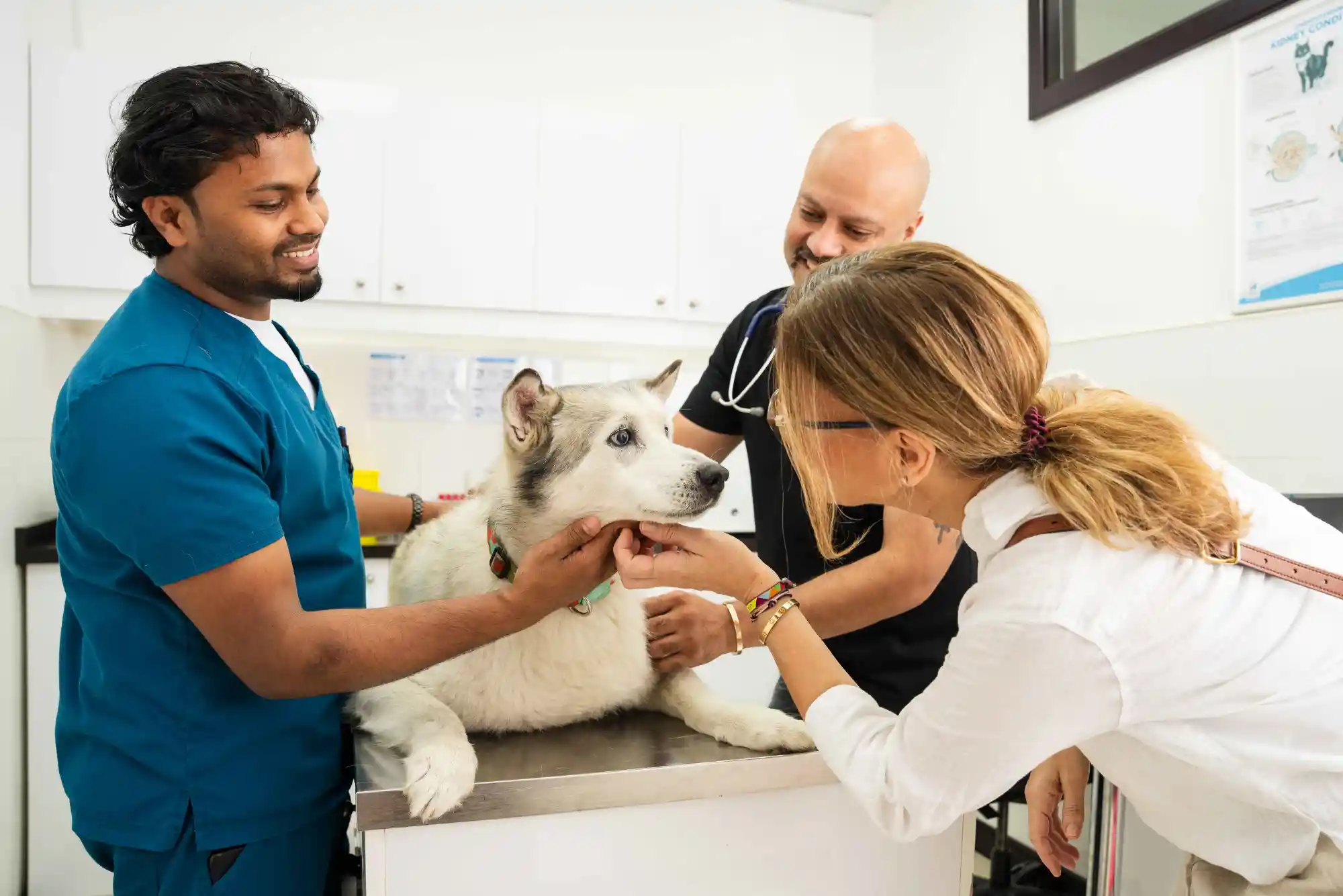
A responsible provider should have a clear plan for illness or injury.
Ask which veterinary clinic they use, who makes emergency decisions and how they contact owners. Leave your dog’s veterinary details and an emergency contact who can make decisions if you cannot be reached.
Ask how dogs are grouped
Do not assume that every dog spends the day playing together.
Ask whether dogs are assessed before group activities and how staff handle dogs that prefer individual exercise. A safe facility should recognise that socialisation is not suitable for every dog.
How to Choose a Safe In-Home Pet Sitter
The sitter may have access to your home, your dog’s food, medication and daily routine, so trust and reliability are essential.
You can use this Pet Sitter Vetting Checklist as a starting point when assessing a potential caregiver.
Check experience and references
Ask how long the sitter has worked with dogs and whether they have cared for dogs with similar temperaments or routines.
References can reveal details that a profile cannot, particularly regarding punctuality, communication and how the sitter handled unexpected situations.
Arrange a trial before your holiday
A short trial visit can tell you much more than a conversation.
Watch how your dog responds to the sitter. Does the sitter allow your dog to approach at their own pace? Do they understand basic canine body language? Are they attentive rather than constantly distracted by their phone?
Your dog’s reaction is useful information, although it should be considered alongside the sitter’s qualifications and references.
Create clear written instructions
Do not rely entirely on verbal instructions.
Leave written details about feeding, walks, medication, sleeping arrangements, behaviour triggers, veterinary contacts and emergency procedures. Include information about what is normal for your dog so the sitter can recognise unusual behaviour.
Dubai’s Climate Makes Holiday Planning More Important
Dubai’s hot weather adds another consideration to pet care.
Dogs should not be exposed to extreme heat unnecessarily, especially during summer. A sitter or boarding facility should have a sensible exercise policy that avoids dangerous outdoor conditions.
Ask exactly when dogs are walked, whether shaded or air-conditioned areas are available and how exercise is adjusted during very hot weather.
If you need additional care before or after your trip, UAE Pet Services can also be useful for keeping your pet’s routine organised around travel.
What About Cost: Boarding or Pet Sitting?
Price should not be the only factor when deciding Dog Boarding vs In-Home Pet Sitting in Dubai.
The final cost depends on the length of your holiday, number of pets, level of supervision, medication requirements, overnight care and additional services.
In-home sitting may appear cheaper when you only need occasional visits, but overnight or frequent visits can increase the total. Boarding may include accommodation, meals, exercise and supervision within one package.
Instead of comparing only the advertised nightly price, ask what is actually included.
A cheaper option that provides inadequate supervision is not a bargain. Your priority should be appropriate care, reliable communication and a safe environment.
How to Prepare Your Dog for Either Option
Preparation can make a significant difference.
If you choose boarding, introduce your dog to the facility before your main holiday. A short daytime visit or trial stay can help them become familiar with the staff and surroundings.
For in-home sitting, introduce the sitter while you are still at home. Let them learn your dog’s routine and practise feeding or walking instructions before you leave.
Provide familiar food rather than making a sudden dietary change. Leave a favourite blanket or toy if appropriate, and make sure identification and contact information are current.
You can also explore Qubix for additional pet-care resources and services that may help you organise your dog’s care around your travel plans.
Dog Boarding vs In-Home Pet Sitting in Dubai: Which Should You Choose?
The safest option is the one that fits your dog rather than the one that sounds most convenient to you.
If your dog is confident, healthy, sociable and comfortable in unfamiliar environments, a reputable boarding facility can provide structured care, exercise and supervision during your holiday.
Put Your Dog’s Needs First
Choosing between Dog Boarding vs In-Home Pet Sitting in Dubai is ultimately about finding the environment in which your dog can remain safe, comfortable and well cared for while you are away.
Boarding can be a strong choice for confident, social dogs when the facility has professional staff, good hygiene, appropriate supervision and clear emergency procedures. In-home pet sitting can be the safer and less stressful option for dogs that prefer familiar surroundings or need personalised routines.
Before your next holiday, assess your dog’s temperament, health and daily habits, interview your chosen caregiver and arrange a trial whenever possible. A little preparation now can give you much greater peace of mind once you are travelling.
For more practical pet-care guidance and services in the UAE, explore Qubix and plan your dog’s holiday care well before your departure.
FAQs
Is it better to leave a dog at home or board them?
Neither option is automatically better. Staying at home with a reliable sitter is often preferable for anxious or routine-dependent dogs, while boarding can work well for confident, social dogs that enjoy new environments.
Is boarding stressful for dogs?
Boarding can be stressful for some dogs because of unfamiliar surroundings, new people, barking and interaction with other animals. However, well-socialised dogs may adapt comfortably, especially when introduced to boarding gradually.
Is it okay to leave a dog with a pet sitter?
Yes, provided the sitter is trustworthy, experienced and capable of meeting the dog’s needs. For some dogs, remaining at home with a sitter is less disruptive than moving to a boarding facility.
How long can a dog stay in boarding?
There is no single ideal duration for every dog. A healthy, confident dog may manage an extended stay well, while an anxious or medically complicated dog may require a different arrangement. A trial stay before a long holiday is a sensible way to assess how your dog copes.
Do dogs miss their owners when boarded?
Dogs can experience changes in behaviour when separated from their owners, but their response varies considerably. A predictable routine, appropriate companionship, enrichment and familiar items can help make the experience easier.
What should I ask a dog boarding facility before booking?
Ask about supervision, sleeping arrangements, exercise, group play, vaccination requirements, emergency veterinary care, staff availability and how the facility handles illness or behavioural problems. Visiting in person is one of the best ways to assess whether the environment suits your dog.
Related Reading: The Best Beauty Salon in Dubai
Related Reading: العناية بصحة العيون: متى تحتاج إلى زيارة دكتور عيون؟ — full guide