


Introduction
Living in the UAE brings year-round sunshine, but it also brings the formidable challenge of seasonal sandstorms. When fierce winds sweep across the desert, they carry microscopic dust particles, pollen, and industrial pollutants straight into our urban neighborhoods. While humans can easily mask up or stay indoors, our pets remain uniquely vulnerable. Cats, dogs, and birds face severe health risks when fine particulate matter invades their delicate airways. Understanding how to protect pets during UAE sandstorms: respiratory care guide is essential for every pet parent wanting to ensure long-term wellness. This comprehensive guide explores actionable steps, veterinary insights, and preventative measures to safeguard your furry companions when the weather turns hazy.
Understanding the Impact of UAE Sandstorms on Pet Health
Desert dust storms are more than just a nuisance; they present a serious health hazard. The air becomes heavy with PM10 and PM2.5 particles. These microscopic fragments bypass natural upper airway filters and lodge deep inside the lungs. Brachycephalic breeds like Persian cats, Pugs, and Bulldogs face heightened danger due to their shortened nasal passages. Furthermore, dry desert winds strip moisture from mucous membranes, leaving respiratory tissues inflamed and highly susceptible to infections. Without proper intervention, minor irritation quickly escalates into chronic conditions. For a broader overview of regional pet safety, explore the UAE Pet Care Pillar resource. Protecting your animals requires proactive monitoring rather than waiting for obvious symptoms to appear.
Recognizing Early Signs of Respiratory Distress
Spotting trouble early makes all the difference in treatment outcomes. Pets cannot tell us when their chests feel tight or itchy. Instead, they communicate distress through subtle behavioral and physical changes. Owners must monitor breathing rates closely during and immediately after severe weather events. Common warning signs demand immediate attention from an experienced veterinarian. If your pet shows any of these red flags, act swiftly to prevent lasting lung damage.
-
Persistent, dry coughing or a wet, hacking sound
-
Wheezing or whistling noises during inhalation
-
Rapid, shallow breathing even while resting
-
Lethargy, weakness, and reluctance to play
-
Discharge from the nose or watery eyes
-
Blue-tinged gums indicating low oxygen levels

Indoor Air Management and Home Safety Strategies
Creating a safe indoor sanctuary serves as your primary line of defense. Keep all windows and exterior doors tightly sealed throughout high-wind advisory periods. Running high-efficiency particulate air purifiers in rooms where your pets spend most of their time drastically reduces indoor dust loads. Change your home air conditioning filters frequently, as desert sand quickly clogs standard mesh screens. Vacuum carpets daily using a machine equipped with a HEPA filter to trap settled allergens. Providing a clean, dust-free indoor environment gives irritated respiratory tracts time to heal naturally. You can also discover more lifestyle optimization tips directly on Qubix.
Outdoor Safety Rules During Dusty Weather
Resisting the urge for long outdoor walks during a sandstorm is crucial. Limit bathroom breaks strictly to brief, necessary outings while the air remains hazy. Avoid walking dogs during peak wind hours when particulate concentration levels peak outdoors. After returning inside, wipe down your pet’s fur, paws, and face with a damp microfiber cloth. This simple routine removes trapped dust particles before pets inhale them during self-grooming sessions. Never let dogs run unleashed near open desert patches where loose sand easily kicks up into the air.
Veterinary Care and Advanced Respiratory Treatments
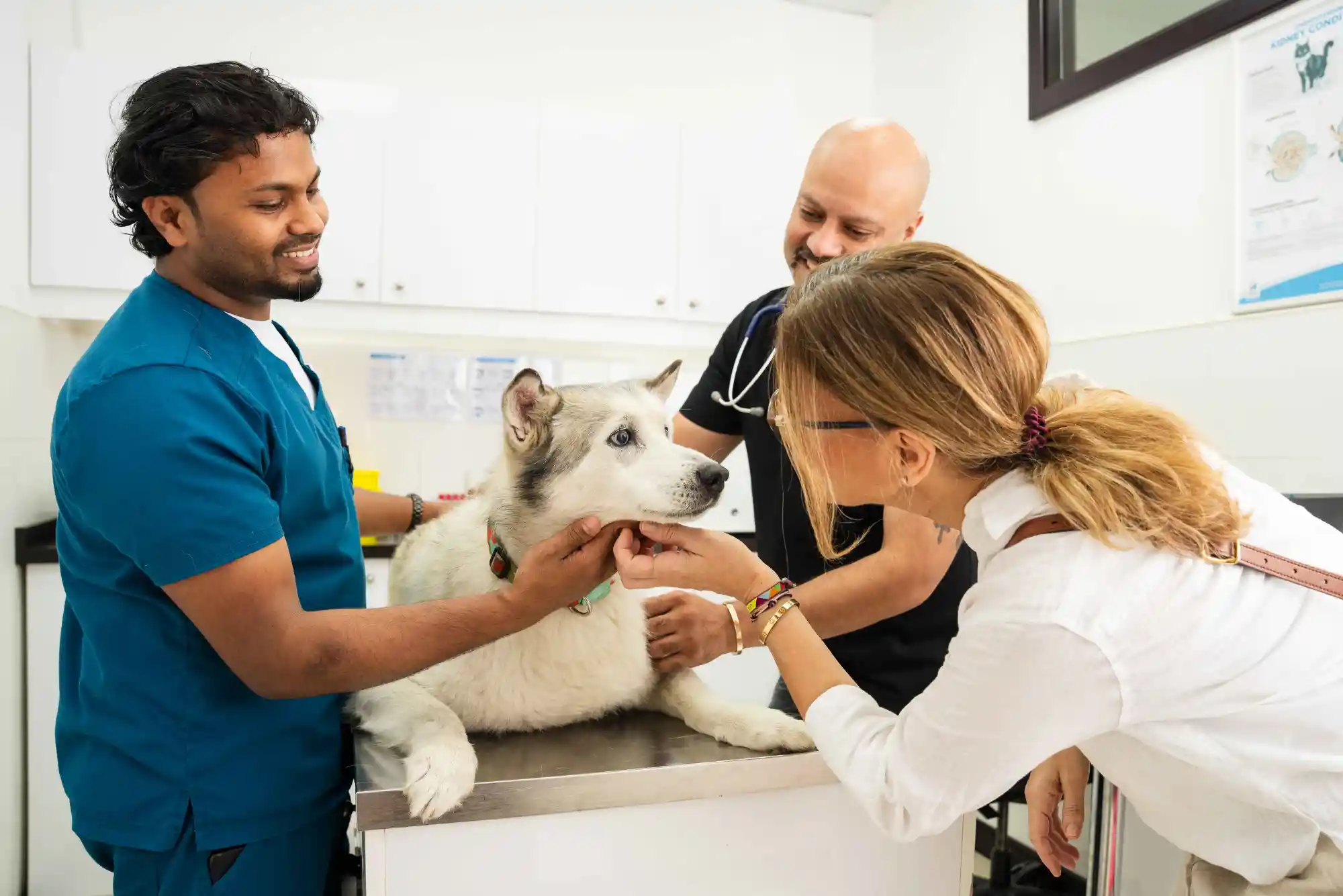
Persistent coughing or breathing difficulties require professional medical intervention. Veterinarians often diagnose conditions such as Canine Bronchitis Airborne Dust triggered by environmental irritants. Clinics may administer nebulizer treatments or prescribe anti-inflammatory medications to open constricted airways safely. Never administer human allergy medications or leftover prescription drugs to animals without explicit veterinary approval. Regular check-ups before the peak weather season help establish a baseline health record for your pet. Building a strong relationship with a trusted local clinic ensures rapid response during emergencies.
Nutritional Support and Hydration for Lung Health
Proper nutrition and hydration play supporting roles in maintaining healthy respiratory mucosa. Dry desert air accelerates dehydration, which thickens mucus secretions inside the lungs. Ensure fresh, clean drinking water is accessible in multiple locations around your home at all times. Omega-3 fatty acid supplements help reduce systemic inflammation throughout the respiratory tract. Consult your veterinarian before introducing any new dietary supplements into your pet’s daily routine. Maintaining an optimal weight also reduces overall strain on the cardiovascular and respiratory systems.
Frequently Asked Questions
Can pets wear face masks during UAE sandstorms?
Specialized pet masks exist on the market, but most animals find them extremely stressful. Forcing a mask on an anxious pet often causes panic and worsens breathing difficulties. Keeping them indoors remains the safest and most effective protective strategy.
How long should I keep my pets indoors after a sandstorm clears?
Dust particles can linger in the atmosphere for several hours after wind speeds drop. Wait until local air quality indexes return to safe levels before resuming normal outdoor activities. Checking official environmental agency reports helps guide your daily scheduling decisions.
What should I do if my cat has an asthma attack during a dust storm?
Keep your cat calm in a quiet, air-conditioned room away from drafts. Follow your veterinarian’s prescribed emergency action plan or use an inhaler spacer if previously instructed. Transport your pet to an emergency veterinary clinic immediately if breathing does not normalize.
Are birds more vulnerable to sandstorms than cats and dogs?
Avian respiratory systems are exceptionally delicate and highly sensitive to airborne pollutants. Birds must be kept entirely away from drafty windows, and their cages should be covered with a damp cloth if fine dust enters the home.
Conclusion
Protecting your beloved animals from harsh desert weather demands constant vigilance and proactive home management. By sealing indoor spaces, limiting outdoor exposure, and recognizing early distress signals, you ensure your companions stay healthy year-round. Do not wait for a respiratory crisis to strike your household. Visit our main portal today to explore more expert guides and connect with top-tier regional pet wellness resources. Take charge of your pet’s health now and enjoy peace of mind through every season.
Related Reading: العناية بصحة العيون: متى تحتاج إلى زيارة دكتور عيون؟