


Introduction
Relocating across continents brings endless checklists, administrative hurdles, and logistical decisions. Moving your beloved companion requires meticulous planning to keep them safe, comfortable, and fully compliant with international transport laws. Planning a Pet Relocation from UK/Europe to UAE: Airline Approved Crates & Blood Tests needs to be your top priority long before booking flights. The United Arab Emirates enforces strict biosecurity protocols governed by the Ministry of Climate Change and Environment. Skipping a single veterinary step or buying an improper container can cause travel delays, costly rejections, or extended delays at customs.
This comprehensive guide breaks down everything you need to know about navigating Pet Relocation from UK/Europe to UAE: Airline Approved Crates & Blood Tests. You will learn exact crate sizing rules, specific health testing protocols, microchip sequences, and necessary documentation. Whether moving a energetic dog or a calm cat, following these guidelines ensures a smooth relocation.
Understanding UAE Pet Import Regulations
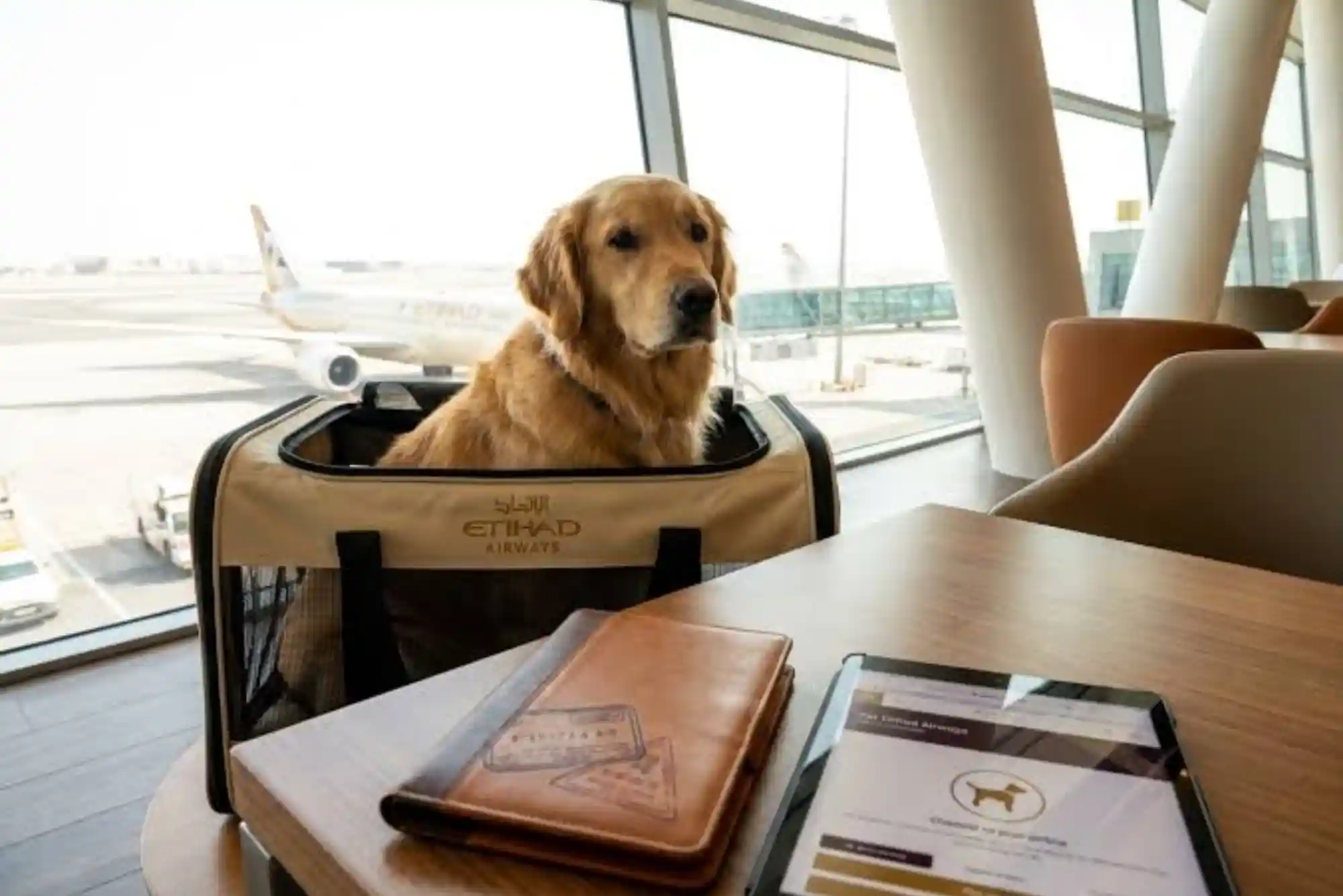
The United Arab Emirates maintains clear biosecurity rules to prevent exotic diseases from entering its borders. Before packing any travel bags, pet owners must understand that all pets enter the UAE as manifest cargo. Pets cannot travel inside the passenger cabin or as checked baggage on commercial flights originating from the UK or Europe. This rule applies to both dogs and cats, ensuring trained animal handlers manage them inside temperature-controlled cargo compartments.
Every animal entering the UAE must be at least four months old at the time of travel. The Ministry limits each individual to a maximum of two pets per year under a personal import permit. Understanding these foundational entry rules prevents costly mistakes during the initial stages of your journey.
Essential Microchip and Vaccination Protocols
Timeline discipline is vital when preparing medical records for international travel. The golden rule of pet export is that microchipping must always precede vaccinations. Your veterinarian must implant an ISO 11784/11785 compliant 15-digit microchip before administering any required vaccines. If a rabies vaccine is given before microchipping, official authorities consider it invalid, requiring a full re-vaccination.
Dogs require valid protection against Rabies, Canine Distemper, Infectious Hepatitis, Parvovirus, Parainfluenza, and Leptospirosis. Cats must be vaccinated against Rabies, Feline Viral Rhinotracheitis, Calicivirus, and Panleukopenia. The primary rabies vaccine must be administered at least 21 days before departure. Booster vaccinations with continuous coverage do not require a waiting period, provided the record shows no gaps. All vaccinations must remain valid throughout the entire travel window.

Navigating Rabies Titer Blood Tests for European Origins
Blood testing requirements vary based on the country where your pet originates. If your journey begins directly in the United Kingdom or standard low-risk European nations, rabies antibody titer blood tests are generally not mandatory for entry into the UAE. However, if you travel from or transit through high-risk rabies countries within broader Europe, a Rabies Blood Titre Test becomes mandatory.
When a blood test is required, a licensed veterinarian must draw blood at least 30 days after the rabies vaccination. The sample goes directly to an officially approved, EU-certified laboratory to measure antibody levels. A passing result requires a minimum rabies antibody level of 0.5 IU/ml. The resulting laboratory report must accompany all official health certificates. Always verify your departure country’s exact classification with your transport specialist well ahead of time.
Selecting Airline Approved Crates for Safe Travel
Choosing the correct travel container is one of the most vital aspects of Pet Relocation from UK/Europe to UAE: Airline Approved Crates & Blood Tests. International Air Transport Association Live Animals Regulations govern all pet containers. Airlines enforce these standards strictly at check-in, and non-compliant crates result in an immediate refusal to fly.
An IATA-approved container must feature a rigid design constructed from heavy plastic, wood, or metal. Soft-sided bags and fold-down plastic boxes are completely forbidden in cargo holds. The container must feature secure metal hardware holding the top and bottom halves together instead of plastic clips. The door must feature a centralized locking system that fastens at both the top and bottom rim. Furthermore, the crate must provide ventilation on four sides for international journeys, ensuring adequate airflow throughout the multi-hour flight.
Measuring Your Pet for the Perfect Crate Fit
A proper fit prevents physical stress and guarantees safety during long-haul transit. To determine the exact dimensions needed for your pet’s travel crate, follow standard IATA measuring equations. Measure your pet while they stand in a natural position.
Measure the length from the tip of the nose to the base of the tail. Measure height from the floor to the top of the head or ear tips, whichever is highest. Measure width across the widest point of the shoulders. The length of the crate must equal the pet’s length plus half their leg length. The width must be twice the shoulder width, and the height must allow three to four inches of clearance above the head when standing tall. Your pet must be able to stand up, turn around naturally, and lie down comfortably.
Preparing Documentation, Permits, and Pre-Departure Checks
Documentation demands absolute precision when organizing a Pet Relocation from UK/Europe to UAE: Airline Approved Crates & Blood Tests. First, apply for an Official Pet Import Permit through the UAE Ministry of Climate Change and Environment online portal. Once issued, this permit remains valid for 30 days. Ensure all microchip numbers and vaccination dates match your veterinary paperwork.
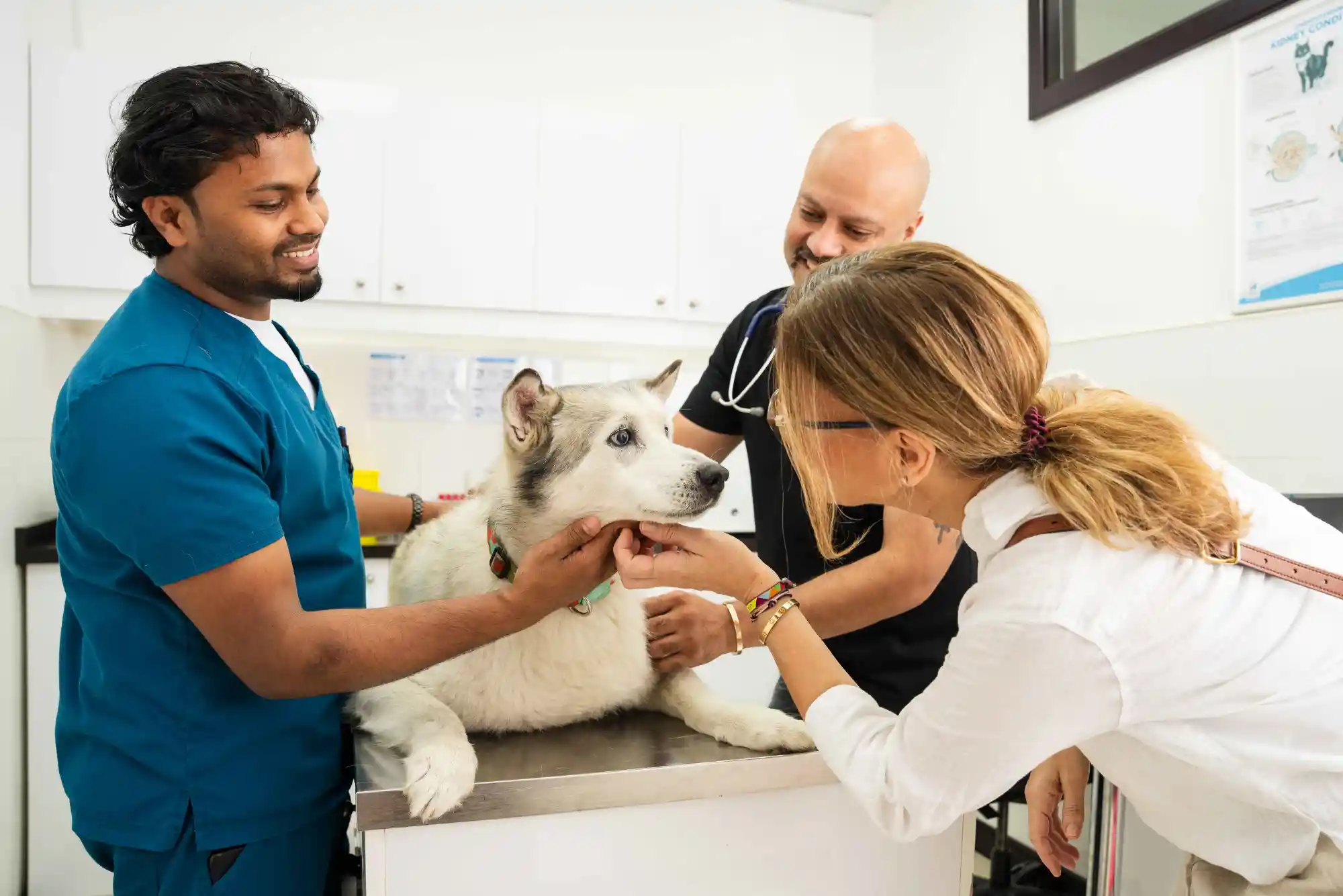
Shortly before travel, your pet must visit an officially accredited veterinarian. UK pets require an Official DEFRA Export Health Certificate, while European pets need a validated European Health Certificate issued within days of departure. During this visit, the vet administers required internal and external parasite treatments, such as fipronil and praziquantel. These treatments must be recorded clearly on the official health paperwork to clear customs without delay.
Customs Clearance and Arrival in the UAE
Upon landing in Dubai or Abu Dhabi, official cargo teams move your pet to a climate-controlled inspection facility. Ministry veterinarians inspect the travel crate, check physical well-being, and scan the microchip to confirm identity. They review all original veterinary documents, import permits, and lab reports.
Assuming all paperwork complies with ministry requirements, customs officers release your pet without any quarantine period. Owners or designated clearance agents pay small administrative import fees and collect their companions. After leaving the airport, ensure your pet gets fresh water and adequate rest as they acclimate to the warm desert climate. Register your pet with the local municipality within a few weeks of arrival.
Frequently Asked Questions
Do pets from the UK need a blood test to enter the UAE?
No, pets traveling directly from the UK to the UAE do not require a rabies antibody titer blood test. They only need a valid microchip, rabies vaccine, core vaccinations, internal/external parasite treatment, an import permit, and an official DEFRA health certificate.
Can my dog or cat fly in the cabin with me to Dubai or Abu Dhabi?
No, commercial airlines flying into the UAE do not permit pets to travel in the cabin or as checked baggage on direct UK or European routes. All pets must travel as manifest cargo inside a temperature-controlled hold in IATA-approved crates.
How far in advance should I start preparing my pet for relocation?
It is best to start preparing at least three to four months before your target departure date. This gives you enough time for microchipping, vaccinations, crate training, blood testing if needed, and securing UAE import permits.
What happens if my pet’s travel crate is slightly too small?
Airlines strictly enforce IATA crate sizing guidelines at the cargo depot. If your pet cannot stand fully upright without touching the top of the crate or turn around easily, the airline will reject your pet at check-in.
Are certain dog breeds banned from importing into the UAE?
Yes, the UAE bans specific breeds, including Pit Bulls, Staffordshire Bull Terriers, Japanese Tosa, Doberman Pinschers, and Rottweilers. Snub-nosed breeds also face flight restrictions on specific airlines during warm summer months.
Conclusion
Planning a successful Pet Relocation from UK/Europe to UAE: Airline Approved Crates & Blood Tests requires patience, preparation, and strict attention to official detail. By securing an IATA-compliant crate, completing all microchip and vaccination steps, and gathering correct import documentation, you ensure a safe journey for your furry family member.
Avoid last-minute travel complications by starting your veterinary preparations early. If you feel overwhelmed by shifting international guidelines, consult an IPATA-certified pet relocation specialist today to manage permits, flights, and customs clearance effortlessly. Take the first step now to secure a comfortable and safe move for your pet.